
Hi, gang.
Hope you’re all well, finalizing holiday travel plans, prepping things for the Thanksgiving feast you may be hosting and, of course, hanging out with your fellow solstice seekers for a spell. (-:
So, I’m thinking that today we’ll talk some history.
Now that’s a broad topic, I know, but there was a guy who was recognized as one of America’s great 20th Century thinkers who had an interesting take on things.
Yeah, this particular guy was actually born in Madrid, Spain, moved to the U.S. at age eight, spent 40 years living in Boston, MA and then figured he’d spend his final 40 years in Europe.
(Hey, if you stick around long enough, no reason why you can’t shake things up a bit, right?!)
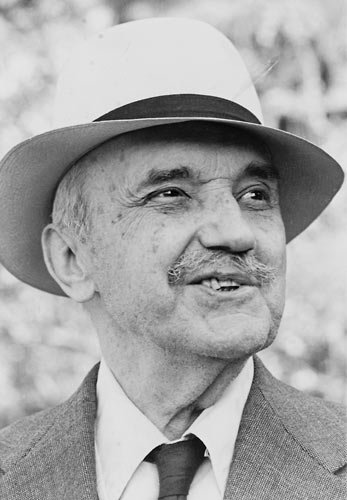
Anyway, that grinning, half-sneering fellow in the hat certainly had plenty to say about all kinds of history. Oddly enough, though, he’s sometimes given credit for saying something that he never actually said.
“History is a pack of lies about events that never happened told by people who weren’t there.” Pretty cynical, sure, but maybe somewhat eerily accurate, too?
In any case, history tells us that George Santayana (1863-1952) was far too idealistic to advocate such negativity. More emblematic of the man who has been studied and praised by philosophers for more than a century, the alternative quote for which he is most famous seems to suit him better: “Those who cannot remember the past are condemned to repeat it.”
It certainly has a cautionary tone to it, but it seems more befitting the intellect of a man who wrote a collection of 27 letters to his friend and Harvard classmate Charles Alexander Loeser (1864-1928) between 1886 and 1912.
History further tells us that the two men remained close until Loeser died suddenly from a pulmonary infection at the age of 64.
The lesson here? If there is one, maybe it’s just to remind yourself that your past – all the good, bad and everything in between – may not necessarily define you, but it will always be part of who you are.
See you tomorrow.
JFish
@Copyright 2025 by John L. Fischer